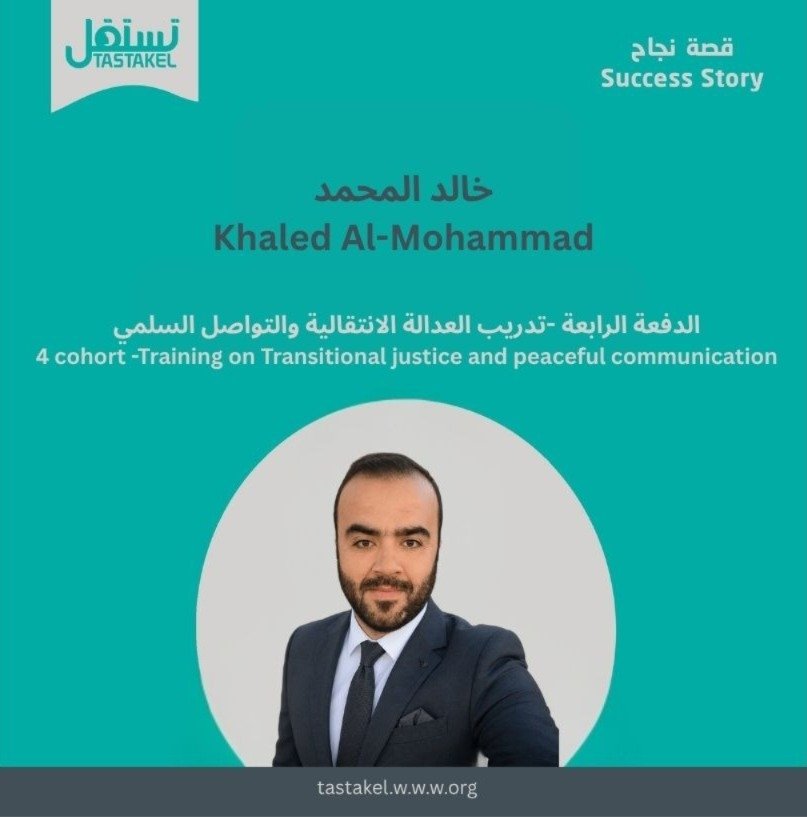
في إدلب، حيث تتقاطع المخاوف مع الأمل، وجدت نفسي أمام اختبار حقيقي لما تعلمت في تدريب العدالة الانتقالية والتواصل السلمي. لم يكن الأمر مجرد نقاش نظري، بل موقف متفجر يهدد بالانزلاق نحو فتنة طائفية
مع تصاعد التوترات الأمنية، في مدينة السلمية مدينة الحب والتعايش، بدأت الإشاعات تنتشر بين الناس كالنار في الهشيم، تحمل معها خطرًا مضاعفًا. هنا كان لا بد من التدخل. تقدمت بخطوات هادئة، تواصلت مع إعلاميين اخوة ثقة في السلمية ، أصغي لكل طرف بإنصاف، وأمنحهم مساحة للتعبير عن مخاوفهم دون أن أسمح للغضب أن يسيطر. واوصلت الرسالة بكل مهنية لشخصيات من سلمية هي خارج السلمية حاولت عبر بوستاتها على مواقع التواصل الاجتماعي ان تؤجج كنت أكرر أن الإصغاء هو بداية الحل، وأن الانجرار وراء الإشاعات لا يجلب سوى مزيد من الانقسام
بفضل هذا التواصل السلمي، تمكنت من تهدئة النفوس، ومنع التصعيد، وفتح باب للحوار البنّاء. لم أكن وحدي؛ فقد ساهم أهل الحل والعقد في البلدة، ومعهم رجال الأمن، في احتواء الأزمة، ليصبح الموقف فرصة لإعادة التأكيد على أن السلم الأهلي هو مسؤولية جماعية
هذه التجربة كانت برهانًا حيًا أن ما نتعلمه في التدريب يمكن أن يتحول إلى فعل ملموس، وأن الفرد قادر أن يكون عنصرًا فاعلًا في وأد الفتنة قبل أن تشتعل. لقد شعرت أنني لم أكن مجرد متلقٍ للمعرفة، بل حاملًا لها في لحظة مصيرية
وفي الختام، أتوجه بخالص الشكر والامتنان إلى منظمين التدريب، الذين منحوني الأدوات والوعي لأكون جزءًا من الحل لا من المشكلة. إن ما زرعتموه فينا أثمر فعلًا، وأتمنى أن تكون قصتي شاهدًا على أثر جهودكم المباركة في حماية السلم الأهلي
خالد المحمد
باحث اجتماعي